1. Personal Information

Siyuan Peng, female, member of the Communist Party of China
Doctoral student in Archival Science, class of 2023
Academic Research:
Published 13 papers in "Journal of Library Science in China", "Archives Science Study", "Archives Science Bulletin", "Knowledge-Based Systems" and other important academic journals in China and abroad
Published 5 papers at ASIS&T, iConference and other authoritative conferences in the field
2 papers reprinted in full in "Copied Journals of RUC: Library Science and Information Science"
Honors and Awards:
2025 Doctoral Student Special Program of the CAST Young Science and Technology Talent Cultivation Project
2025 National Scholarship for Doctoral Students
2025 Third Prize, 6th China Doctoral Forum on Archival Science
2024 Best Research Paper Award, 6th China Youth Forum on Information Resource Management
2022 National Scholarship for Master's Students
Academic Service:
Reviewer for the journal "Humanities & Social Sciences Communications"
Reviewer for the journal "Digital Scholarship in the Humanities"
2. Dig Deep into Small Questions, Keep the Big Framework in View
The move from a master's degree in Information Science to a doctorate in Archival Science was an academic turning point for Siyuan Peng. At the start of her doctoral studies in Archival Science, she naturally extended her research focus from knowledge organization, her topic during her master's studies, to archival knowledge organization. This transition was itself an important practice of disciplinary integration. Under the guidance of her supervisor, Professor Ping Wang, she further expanded her research scope to human-AI interaction, a more cutting-edge and interdisciplinary research direction. This change not only led Siyuan Peng to adjust her research methods and her awareness of research problems, but also helped her form a clear understanding of her own academic position.
"Although we are based in the discipline of Archival Science, our research should not be limited to a single second-level discipline. Instead, we should gradually refine and form a research direction with personal characteristics within the first-level discipline of Information Resource Management, and even within the broader disciplinary framework of Management," said Siyuan Peng. This active adjustment at this stage helped Siyuan Peng further clarify her future research path and laid a solid foundation for her continued in-depth academic exploration. She said: "Academic research needs to dig deep into the internal questions of a specific discipline, and it must also continuously expand the boundaries of research within a larger disciplinary framework to achieve breakthroughs and development."
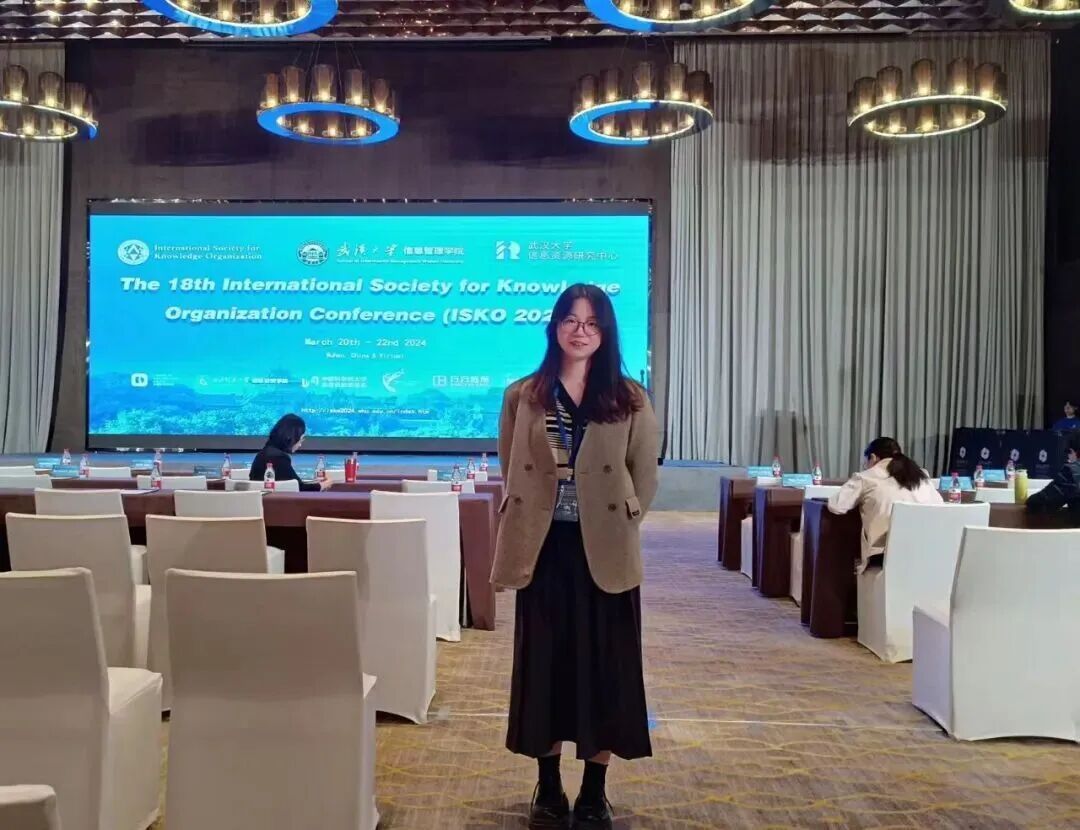
3. Build Systematic Thinking, Keep a Regular Rhythm
Speaking of her experience in producing high-quality academic output continuously, Siyuan Peng stressed "combining long-term planning with short-term planning". For example, at the beginning of each year she reviews the research results of the previous year and plans the research topics and goals for the new year, so as to keep a stable research rhythm. "Scientific research does not only depend on chance inspiration. It is more like a systems engineering project," she shared. A regular schedule and a fixed working environment help her quickly get into a research mindset. Second, Siyuan Peng believes that graduate students need to develop the ability to do research independently. In addition to the guidance of their supervisors, they should consciously train themselves to find problems, design research plans and write papers on their own, and to revise and improve their work repeatedly based on reviewers' comments. Finally, they should keep active communication with their supervisors. By reporting progress regularly and discussing key questions and research decisions, they can adjust their research direction in time and get effective guidance at important points, so as to systematically build up and deepen their research during the doctoral stage.
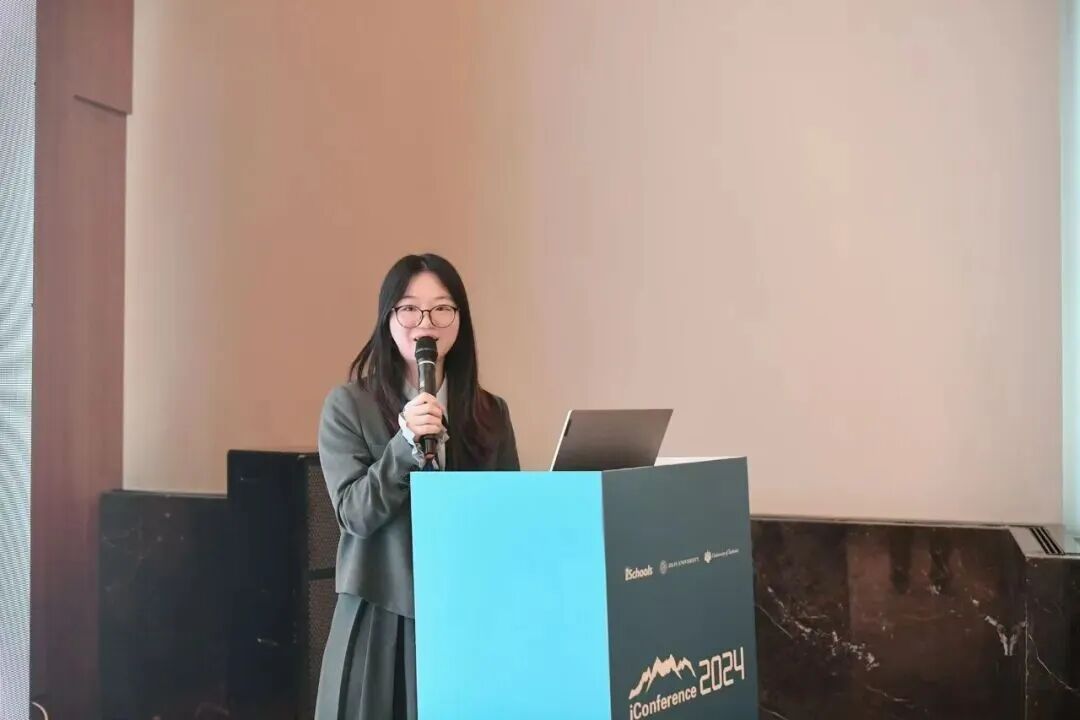
4. Develop Research Competence through Self-Motivation and Peer Review
Looking back on her growth during her doctoral studies, Siyuan Peng believes that building and deepening the ability to learn independently is the most important thing. "It goes far beyond 'self-study'. It is a research competence of self-motivation, self-planning, self-reflection and self-adjustment." She stressed that research should be driven by internal motivation, not only by external forces such as group meetings. Researchers also need the planning ability to break long-term goals down into feasible steps, and the reflective ability to review their work regularly and adjust their mindset.
Her experience as a reviewer for international journals gave her another perspective. "Through reviewing, you reflect on yourself." This process not only helps to improve the rigor and standardization of research, but also helps Siyuan Peng identify emerging trends and broaden her academic horizons. She mentioned in particular that when cutting-edge topics lack relevant references, the ability to learn across fields and transfer knowledge is especially important: "Look for theories, methods and knowledge from other fields, and think about whether they can be transferred to the topic you are studying." Siyuan Peng believes that this is an indispensable competence for interdisciplinary researchers.

5. Maintain the Inner Order of a Sustainable Academic Life
Looking back on her academic journey, what Siyuan Peng most wants to stress to fellow students who are also on the road of research is: "Paying attention to physical and mental health is essential." Doctoral research is demanding and full of uncertainty. A good routine, moderate exercise and the necessary psychological adjustment help to maintain "inner order" and thus keep sustained focus and creativity. In her view, academic work is a long-distance run of "steady effort and lasting results", in which a regular and stable rhythm is far more important than short sprints.
From Information Science to Archival Science, and from knowledge organization to human-AI interaction, Siyuan Peng's academic path has always combined respect for the discipline with exploration of the frontier. With clear planning, a stable rhythm and an open mind, she has drawn up her own research record at the intersection of disciplines.

6. A Message
What you do in March and April will find its answer in August and September.